
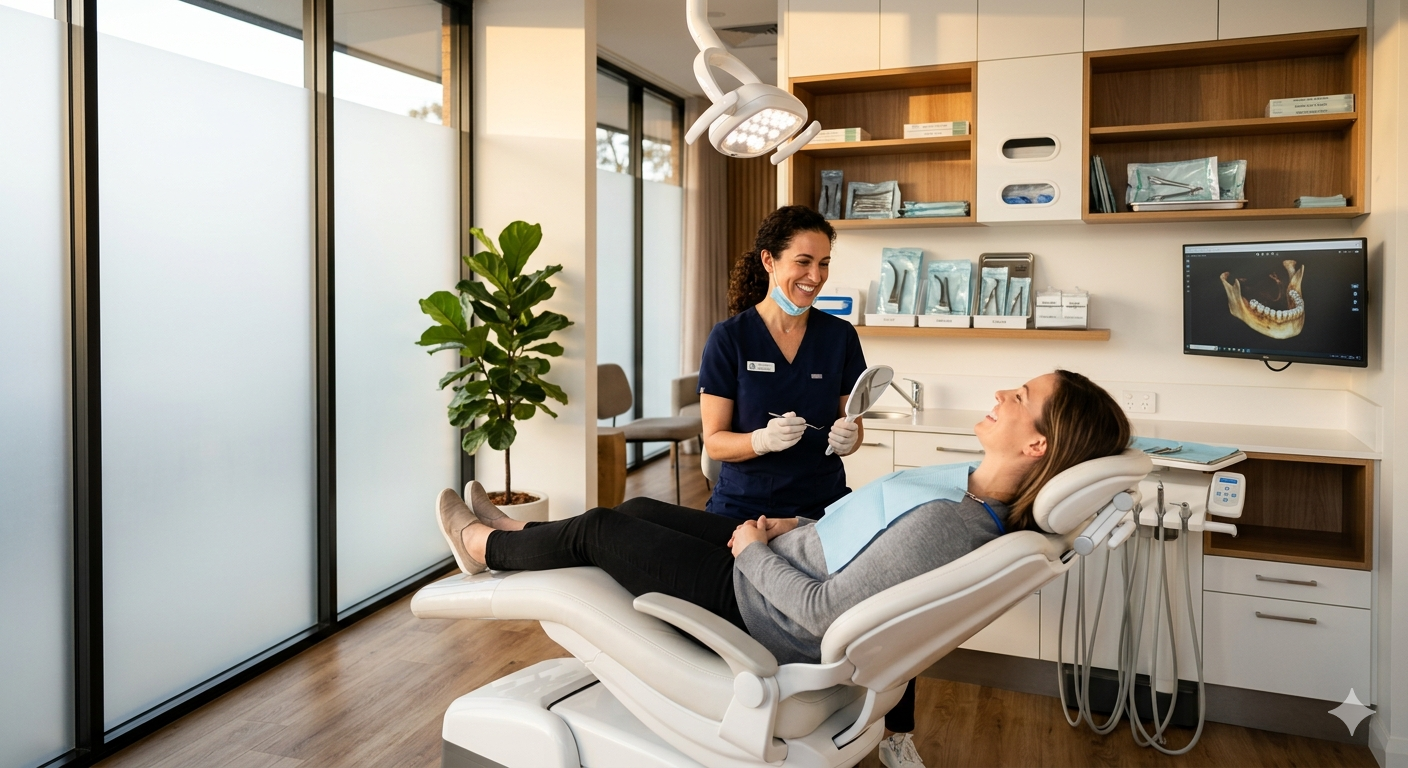
Dental implants in Paso Robles, CA, offer a reliable solution for people missing teeth who want to restore both function and confidence. They act like natural tooth roots, providing a strong foundation for replacement teeth that look and feel real. This modern option helps patients eat, speak, and smile comfortably without worrying about slipping dentures or uncomfortable bridges.
The process is carefully tailored to each patient’s needs, focusing on comfort and long-term oral health. Skilled dentists in Paso Robles use the latest techniques and technology to ensure implants are placed precisely and heal properly. Patients can expect a personalized approach that considers overall wellness and helps maintain a healthy smile for years.
For those thinking about dental implants, understanding what to expect can ease any nervousness. Talking to a local dental expert in Paso Robles can open the door to options that fit a patient’s lifestyle and budget while improving their quality of life.
What Are Dental Implants?
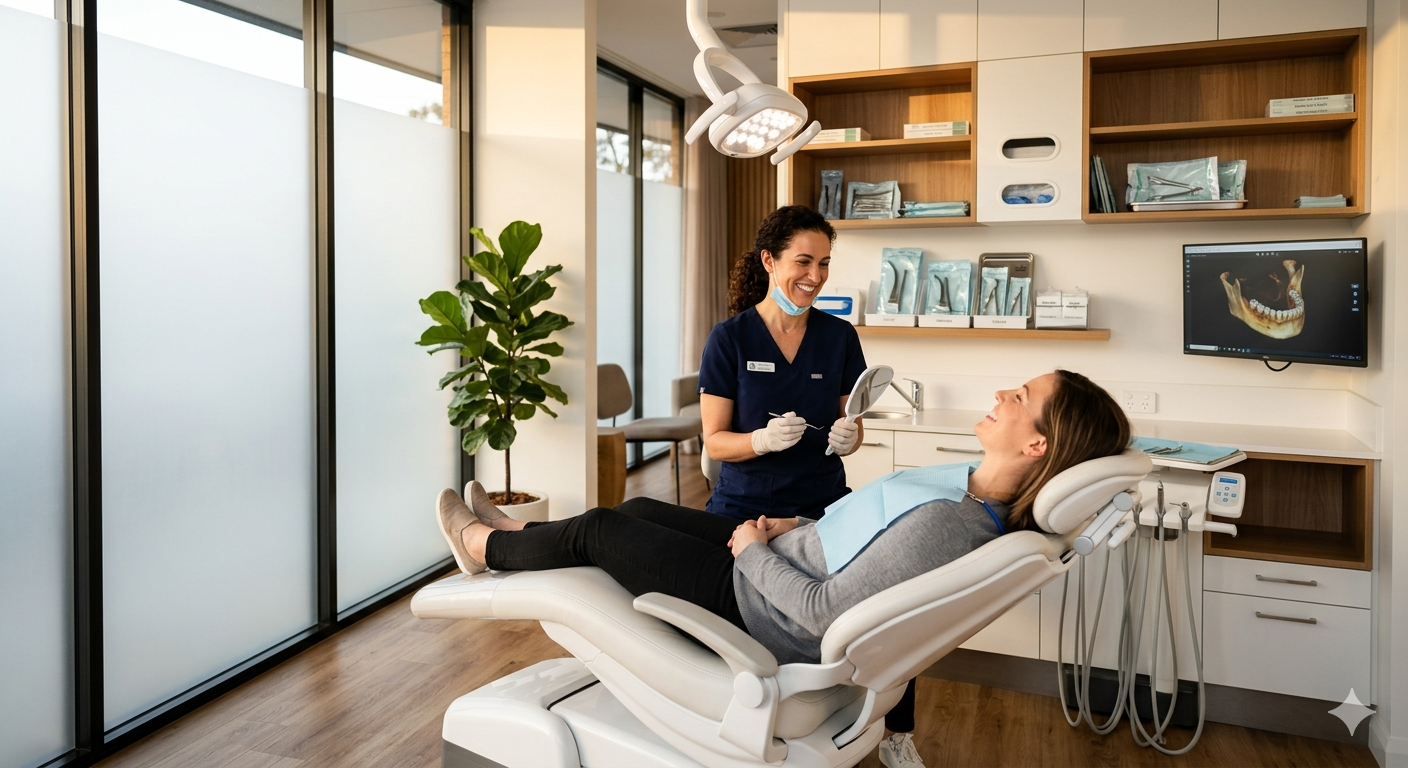
Dental implants are small titanium posts placed into the jawbone to serve as artificial tooth roots. They provide a strong foundation for fixed or removable replacement teeth designed to blend naturally with the rest of a patient’s smile. Implants aim to restore function and appearance without affecting nearby teeth.
How Dental Implants Work
A dental implant is inserted surgically into the jawbone, where it fuses steadily through a process called osseointegration. This creates a solid anchor, similar to a natural tooth root, for a crown, bridge, or denture. After the implant integrates, a custom-made abutment connects the implant to the replacement tooth.
The entire process can take several months, as healing time is essential for stability. Implants help maintain jawbone health by preventing bone loss that often happens after tooth loss. This not only supports the implant itself but also preserves facial structure.
Comparing Implants to Other Tooth Replacement Options
Unlike dentures or bridges, implants do not rely on neighboring teeth for support. Bridges require grinding down adjacent teeth, which can compromise their health. Dentures sit on the gums and may slip or cause discomfort without the secure footing implants provide.
Dental implants feel more natural in the mouth and allow for easier chewing and speaking. Though the upfront cost and treatment time can be higher, they often prove more cost-effective over years due to durability and lower maintenance. Implants also avoid the bone loss problems associated with other options.
| Feature | Dental Implants | Bridges | Dentures |
|---|---|---|---|
| Support | Jawbone (via implant) | Adjacent teeth | Gums |
| Longevity | 10+ years (often longer) | 5-10 years | 5-7 years |
| Impact on Nearby Teeth | No | Yes, alters healthy teeth | No |
| Comfort & Stability | High | Moderate | Variable |
Who Is a Good Candidate for Implants
Good candidates typically have healthy gums and sufficient jawbone density to support the implant. Patients should be free from certain medical conditions that affect healing, such as uncontrolled diabetes or immune disorders. Dentists often evaluate oral health thoroughly before recommending implants.
Non-smokers or those willing to quit have better success rates, as smoking can interfere with healing. Candidates should also be committed to regular dental care to maintain their implants and overall oral health. Age alone is not a barrier; both younger and older adults can benefit when conditions are favorable.
If jawbone volume is insufficient, procedures like bone grafting may make implants possible. A thorough consultation helps determine if implants are the right fit based on individual health and lifestyle.
Benefits of Dental Implants in Paso Robles, CA
Dental implants offer practical advantages that go beyond just filling gaps in teeth. They help restore daily functions, protect oral health, and provide a natural appearance that boosts comfort.
Restoring Confidence and Smile Function
Dental implants replace missing teeth in a way that feels secure and stable. Unlike dentures, implants don’t slip or move, which means patients can eat, speak, and laugh without worry. This stability often improves confidence because people don’t have to hide their smiles or avoid social situations.
In Paso Robles, where outdoor activities and community events are common, having a reliable smile makes a real difference. Patients report that implants help them enjoy meals and conversations without fear of discomfort or embarrassment. This improvement in daily life encourages better social interactions and emotional well-being.
Long-Term Oral Health Advantages
Implants help maintain jawbone health by stimulating bone growth, which prevents the shrinking that typically happens after tooth loss. This keeps facial structure intact and reduces the risk of nearby teeth shifting out of place.
Unlike bridges, dental implants don’t require altering adjacent teeth, preserving more of the natural smile. With proper care, implants can last for decades, reducing the need for repeated dental work. This longevity helps patients in Paso Robles avoid frequent office visits and supports sustained oral health.
A Natural Look and Feel
Dental implants closely mimic the look and feel of natural teeth. The titanium posts are anchored firmly into the jawbone, and the crowns are custom-designed to match the color and shape of surrounding teeth. This results in a seamless appearance that blends well with the rest of the smile.
Many patients find implants more comfortable than other solutions because they function like real teeth. There’s no bulky plate or sticky adhesives involved, so daily life feels closer to normal. For those in Paso Robles seeking a discreet and durable dental option, implants provide an appealing combination of aesthetics and practicality.
The Dental Implant Process
Getting dental implants involves a few important steps designed to ensure comfort and long-lasting results. Each phase is carefully planned and executed to match the patient’s unique needs and oral health.
Initial Consultation and Personalized Planning
The process begins with a thorough consultation. The dentist reviews medical history, examines the mouth, and takes X-rays or 3D scans to assess bone health and structure. This helps determine if implants are suitable or if preparatory treatments like bone grafts are necessary.
During this visit, the dentist discusses options tailored to the patient’s smile goals and lifestyle. They explain what to expect during surgery and recovery, addressing any concerns. The plan includes the number of implants needed, type of restoration, and timeline, all designed to make the experience as smooth as possible.
Implant Placement Procedure
Implant placement is a precise surgical procedure. It usually involves local anesthesia to keep the area numb and comfortable. The dentist carefully inserts titanium posts into the jawbone, which act as artificial tooth roots.
The surgery typically lasts about one to two hours, depending on how many implants are placed. After the posts are secured, the gums are stitched, and protective coverings may be placed. Some patients receive temporary crowns or bridges during healing to maintain appearance and function.
Healing, Recovery, and Follow-Up
Healing is a critical phase and takes several months for the bone to fuse with the implant, a process called osseointegration. Patients are advised to avoid hard foods and maintain excellent oral hygiene to support recovery.
Regular follow-up visits monitor healing and check for any complications. Once healed, the dentist attaches the permanent crown, bridge, or denture to the implant. This final step restores full chewing ability and a natural look. Gentle care and routine dental visits afterward help the implants last for many years.
Types of Dental Implants Available
Dental implants come in different forms to meet various dental needs. Each type offers specific benefits depending on how many teeth are missing and the patient’s overall oral health.
Single Tooth Replacement
A single tooth implant replaces one missing tooth and looks and feels like a natural tooth. It involves placing a titanium post into the jawbone, which acts as the root. After the post integrates with the bone, a crown is attached on top.
This option preserves surrounding teeth since it does not require filing down adjacent teeth like traditional bridges. It also prevents bone loss in the implant area, maintaining facial structure. Single tooth implants are durable and can last many years with proper care.
Implant-Supported Bridges
When several teeth in a row are missing, implant-supported bridges provide support without needing an implant for every missing tooth. Usually, implants are placed at both ends of the gap, and a bridge of artificial teeth is fixed between them.
This approach offers better stability than traditional removable bridges. It helps preserve jawbone health and makes chewing more comfortable. Implant-supported bridges reduce the strain on natural teeth and improve overall oral function.
Full-Arch Solutions
For patients missing most or all teeth in an arch, full-arch dental implants offer a permanent and secure option. This can include implant-supported dentures or fixed full-arch bridges that attach to multiple implants in the jaw.
These solutions restore function and appearance with fewer implants needed compared to replacing each tooth individually. They eliminate the slipping or discomfort often associated with traditional dentures. Full-arch treatments are customized to provide a natural bite and smile.
Choosing a Paso Robles Implant Dentist
Selecting the right implant dentist involves considering more than just skill. Factors like technology, comfort during treatment, and how the dentist approaches patient care can make a big difference in the outcome and experience.
Experience and Credentials
A dentist’s experience with dental implants is crucial. In Paso Robles, the best implant dentists typically have years of focused training and a track record of successful implant placements. Look for dentists who have completed advanced implantology courses or hold certifications from recognized dental organizations.
Experience also means familiarity with different implant systems and techniques. This expertise helps handle unique cases more confidently, reducing risks and improving healing times. Patients should ask about the number of implants placed and request before-and-after images for a clearer picture of the dentist’s skill.
Modern Technology and Comfort
Modern dental offices in Paso Robles often use the latest imaging tools like 3D cone beam CT scans. These provide high-resolution images for precise implant planning, avoiding nerves and sinuses. This technology boosts safety and accuracy.
Comfort features like sedation options and gentle anesthesia also enhance the experience. A dentist committed to patient comfort will create a calm environment and explain each step clearly, easing anxiety. This mix of technology and personalized care helps patients feel secure throughout the implant process.
Patient-Centered Care Philosophy
A patient-centered dentist prioritizes clear communication and involvement in decision-making. In Paso Robles, implant dentists who listen closely to concerns and customize treatment plans create a sense of trust and confidence.
This approach often includes thorough consultations, detailed explanations about implant options, and clear aftercare instructions. Patients feel respected and supported, which encourages them to ask questions and stay engaged with their oral health journey. This open communication is key to long-term implant success.
Cost and Financing Options
Dental implant costs in Paso Robles can vary widely based on factors like materials, procedures, and the provider’s expertise. Understanding payment options helps patients budget effectively while accessing quality care tailored to their needs.
Understanding Implant Costs
The average cost for a single dental implant in Paso Robles generally ranges from $3,000 to $5,000. This price includes the implant, abutment, and crown but can increase if extra procedures such as bone grafting or sinus lifts are needed. Each patient’s case is unique, so a personalized consultation is vital to get an accurate estimate.
Factors affecting cost include the type of implant used, the need for additional surgeries, and the complexity of the treatment plan. Choosing an experienced implant dentist ensures quality but may come with higher fees. Still, investing in skilled care reduces the risk of complications down the line.
Insurance and Payment Plans
Most dental insurance plans do not fully cover implants, as they often categorize them as cosmetic. However, some plans offer partial coverage, especially if the implant is considered medically necessary. Patients should check with their providers to clarify benefits and limits.
Many dental offices in Paso Robles offer financing options such as low-interest payment plans or third-party lending through companies like CareCredit. These plans break down the implant cost into manageable monthly payments, making treatment more accessible without compromising quality.
Investing in Your Health
Dental implants provide a long-term solution that supports oral health, function, and appearance. Unlike dentures, implants prevent bone loss and maintain facial structure, contributing to overall well-being.
Though the upfront cost may seem high, dental implants often save money over time by reducing future dental work. They improve comfort and chewing ability, which positively affects nutrition and confidence. Discussing all options with a trusted dentist helps patients make informed decisions that align with their health goals.
Life With Dental Implants
Living with dental implants in Paso Robles means enjoying a natural feel and long-term reliability. Proper care, understanding the healing process, and resuming daily activities comfortably are key to a smooth experience.
Care and Maintenance Tips
Dental implants require daily attention similar to natural teeth. Brushing twice a day with a soft-bristle brush and flossing around the implant helps remove plaque and prevent gum disease.
Regular dental check-ups every six months allow the dentist to monitor the implant’s health and catch problems early. Avoiding hard or sticky foods reduces stress on the implant and maintains its stability.
Using a non-abrasive toothpaste protects the implant surface. Sometimes, an antimicrobial mouth rinse is recommended to keep the area clean. Patients should also stop smoking, as it can impair healing and increase complications.
What to Expect After Treatment
Immediately after implant surgery, some swelling and mild discomfort are normal. These symptoms usually fade within a few days with proper care and pain management.
The implant itself needs time to fuse with the jawbone—a process called osseointegration—which typically takes 3 to 6 months. During this period, patients should follow their dentist’s advice on diet and oral hygiene carefully.
Follow-up visits ensure the implant is integrating well. Once healed, the permanent crown or bridge is placed, restoring full function. Some sensitivity around the site might occur initially but should improve as healing progresses.
Enjoying Everyday Activities Again
Dental implants restore the ability to chew, speak, and smile confidently without worry. They feel stable and natural, allowing patients to enjoy their favorite foods, from crunchy vegetables to tender meats, without discomfort.
Unlike dentures, implants do not slip or require adhesives. This stability lets patients laugh, talk, and eat in social settings freely. Maintaining good oral hygiene keeps implants functioning well for years.
Patients are encouraged to share any concerns with their dental team to make adjustments or address issues early. With implants cared for properly, everyday life returns to normal quickly and comfortably.
Why Paso Robles Residents Choose Dental Implants
Paso Robles offers dental implant options that prioritize patient comfort and long-term success. Many appreciate how care providers tailor treatments and stay connected to the community’s needs.
Personalized Attention
Dental offices in Paso Robles focus on customizing implant procedures to each patient’s unique dental structure and lifestyle. They start with detailed consultations and 3D imaging to plan the best placement. This reduces discomfort and speeds healing.
Doctors spend time explaining every step clearly. They listen to concerns about pain, costs, or appearance and adjust plans accordingly. Follow-up visits ensure implants integrate well and patients feel confident with their new smile.
Patients often mention how the friendly staff makes them feel valued, reducing anxiety common with dental surgeries. This attentive approach helps many choose implants as a reliable, personalized solution.
Community-Focused Dental Care
Paso Robles dental teams care deeply about their neighbors’ overall health—not just teeth. They integrate implants into broad treatment plans that support nutrition, speech, and self-esteem.
Clinics often participate in local health events and offer educational workshops, making implant knowledge accessible. Many also collaborate with other specialists to address complex oral health needs.
This community commitment creates a supportive environment where patients feel understood, not rushed. It encourages regular visits and proactive dental care, leading to successful implant outcomes that fit well with residents’ lifestyles.
Next Steps: Schedule Your Consultation
Taking the first step toward dental implants in Paso Robles starts with a simple consultation. During this appointment, the dentist will evaluate the patient’s oral health and discuss their unique needs and goals.
The consultation includes:
- A thorough examination
- X-rays or 3D imaging
- Review of medical and dental history
This helps create a personalized treatment plan tailored to the patient’s situation.
Patients often wonder about comfort during the procedure. The dental team will explain sedation options and aftercare to ease any concerns.
It’s a good time to ask questions about cost, timeline, and what to expect before, during, and after implant placement. The goal is to make patients feel informed and at ease.
Scheduling is easy, and many offices offer flexible hours to fit busy lifestyles. Patients can prepare by gathering any previous dental records for the visit.
Encouraging regular visits and open communication helps build trust. It’s never too soon to explore whether dental implants could be the right fit.
Offering a warm welcome, the clinic staff is ready to assist with booking the consultation and guiding patients every step of the way.
Frequently Asked Questions
Dental implants are a reliable way to restore missing teeth, but questions about eligibility, costs, and the process are common. Understanding how specialists differ, what to expect during recovery, and how implants might address bite or jaw issues helps patients make informed decisions.
Am I a good candidate for a dental implant if I’ve had missing teeth for years?
Yes, many people with long-term tooth loss can still receive implants. However, bone loss may require additional procedures like bone grafts to provide a stable foundation.
The dentist will evaluate bone density and overall oral health before recommending treatment.
How much does a single-tooth implant typically cost in California, and what factors affect the price?
A single-tooth implant in California usually ranges from $3,000 to $5,000. Pricing varies based on implant type, need for bone grafting, and the clinic’s location.
Insurance coverage and whether a general dentist or specialist performs the procedure can also impact cost.
What’s the difference between getting an implant with a general dentist versus an oral surgeon?
General dentists can handle many implant cases, especially straightforward ones. Oral surgeons tend to manage complex situations, such as extensive bone loss or multiple implants.
Surgeons have specialized training in oral surgery, often providing more comprehensive surgical care.
Can a dental implant help correct bite problems or relieve jaw discomfort?
Dental implants primarily replace missing teeth but can improve bite function by stabilizing your bite. Properly placed implants may reduce strain on other teeth and ease jaw pain caused by gaps.
They are not a direct treatment for bite alignment but can support overall oral function.
How long does the implant process usually take from start to finish, including healing time?
The entire process typically spans 3 to 6 months. Initial surgery is followed by a healing period where the implant fuses with the bone, usually 3 to 4 months.
After healing, the permanent crown is placed, completing the restoration.
What can I do to make the procedure more comfortable, and what should I expect during recovery?
Patients often receive local anesthesia to minimize discomfort during surgery. Mild pain, swelling, and bruising can occur afterward, managed with prescribed medications and ice packs.
Following care instructions closely and attending follow-up visits ensure a smooth recovery and implant success.