
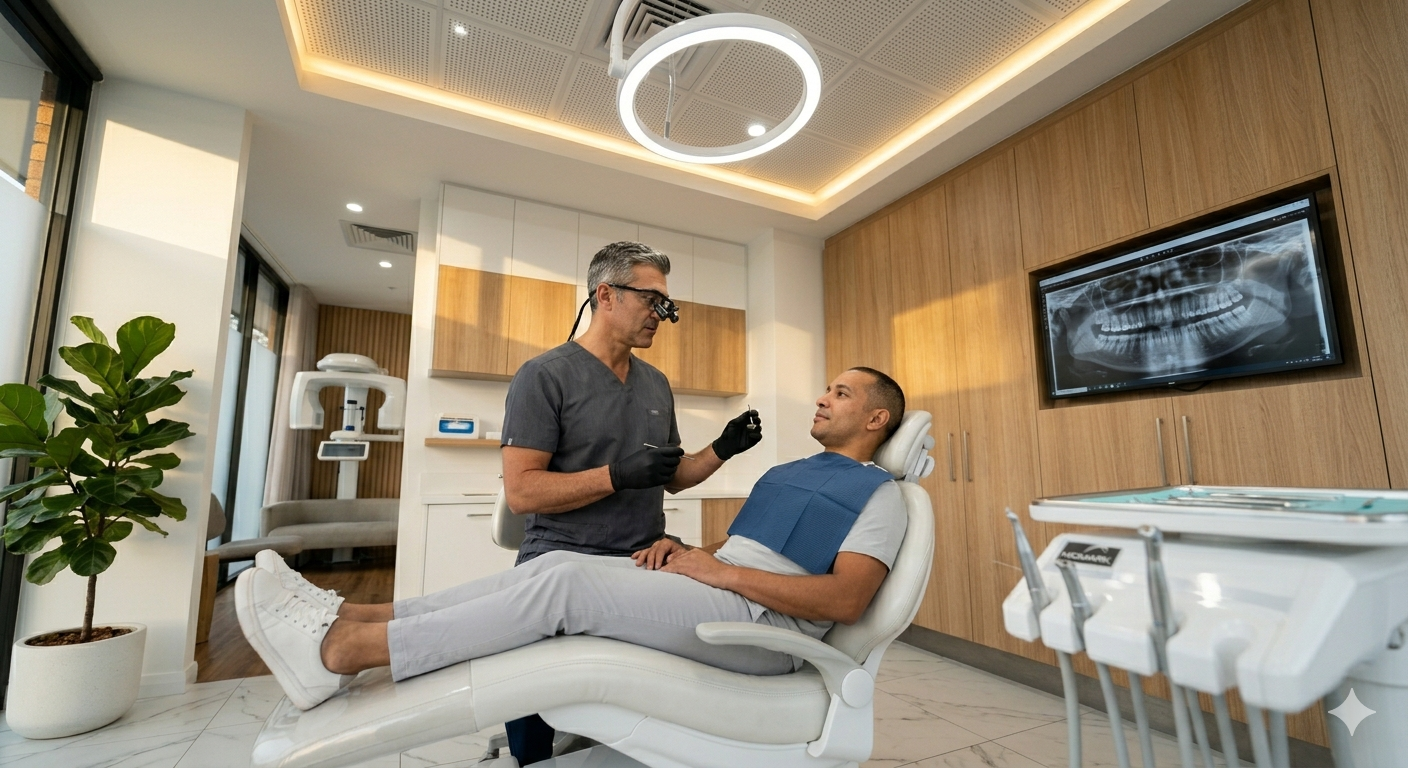
Dental implants offer a reliable and natural-looking solution for anyone missing one or more teeth. They restore both the appearance and function of teeth, allowing people to eat, speak, and smile with confidence again. Unlike dentures, implants are securely anchored in the jawbone, which helps maintain facial structure and prevent bone loss over time.
Many find dental implants comfortable because they feel like real teeth and don’t slip or require adhesives. This modern option also supports better oral health by preserving neighboring teeth, unlike traditional bridges which may need grinding down adjacent teeth. With advances in dental technology, implants have become more accessible and successful than ever before.
Understanding How Dental Implants Work
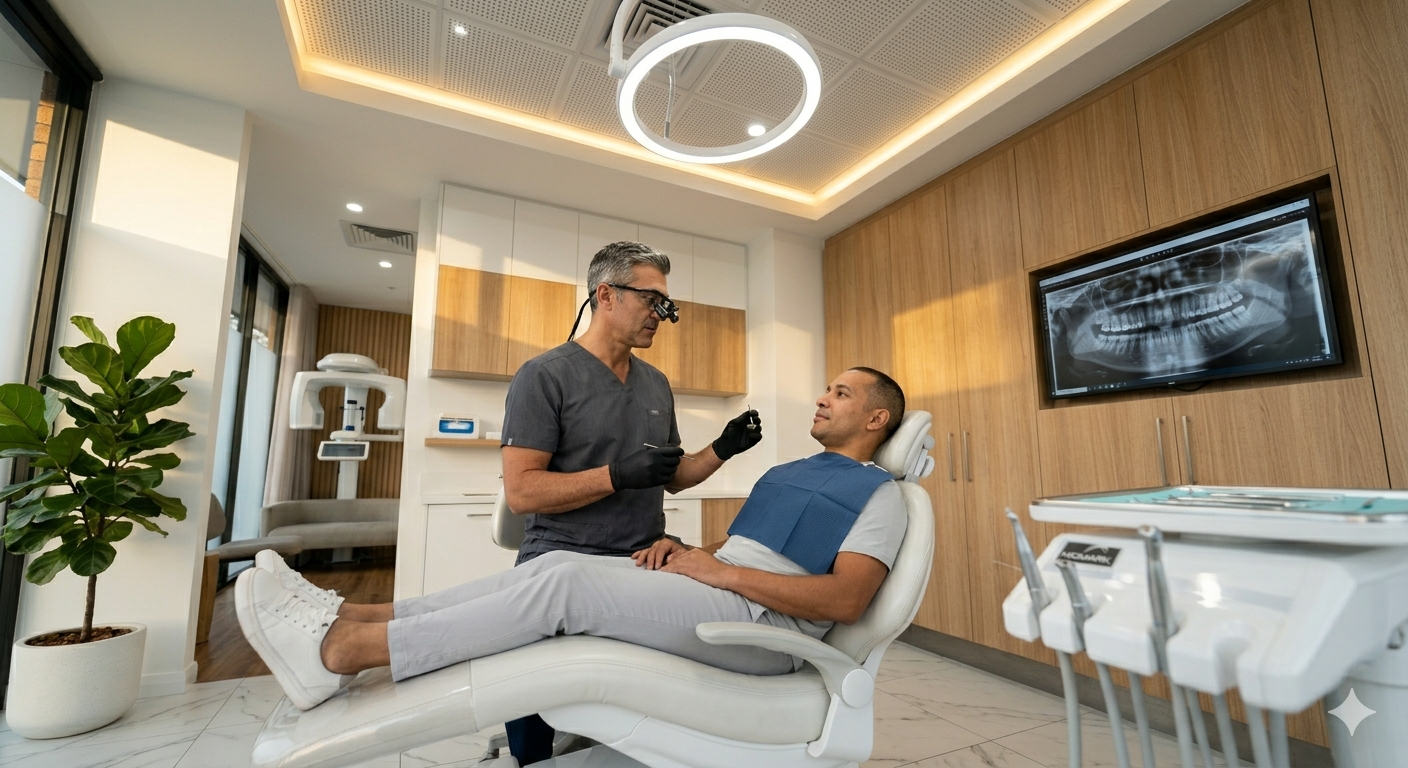
Dental implants bring together sturdy materials and natural healing processes to replace missing teeth. They rely on a few key parts that function together to provide stable, long-lasting support. This section breaks down those parts, explains how they join with the jawbone, and compares implants to natural teeth.
Components of a Dental Implant
A dental implant primarily has three parts: the implant post, the abutment, and the crown. The implant post is a small, screw-like piece usually made from titanium. It is placed directly into the jawbone, serving as the root of the new tooth.
The abutment connects the post to the crown. It’s a small connector that holds the visible tooth replacement securely in place. The crown itself is custom-made to match the color and shape of the patient’s natural teeth. It sits on top, functioning as the chewing surface.
These components work together to restore both the look and function of a natural tooth.
How Implants Integrate With Bone
Once the implant post is placed in the jaw, a process called osseointegration begins. This means the bone grows around and attaches firmly to the titanium post. Because titanium is biocompatible, the body accepts it without rejection, allowing this strong bond to form.
This fusion stabilizes the implant, creating a solid foundation similar to a natural tooth root. It also helps preserve jawbone density, preventing the bone loss that often follows tooth loss. Osseointegration typically takes several months, during which the patient’s healing and regular dental check-ups support the process.
Comparison to Natural Teeth
Dental implants differ from natural teeth mainly in their construction but function very similarly. Unlike natural teeth, implants lack a periodontal ligament. This means they don’t have the same slight movement, but this can actually be beneficial for chewing and stability.
Natural teeth have nerves that sense pressure and temperature, while implants don’t. This can take some getting used to, though patients often appreciate the increased durability. Implants also do not decay, but good oral hygiene remains essential to keep surrounding gums healthy.
Together, these differences and similarities help dental implants serve as a dependable, natural-feeling tooth replacement.
Restoring Confidence and Natural Appearance
Dental implants are designed to look and feel like natural teeth, restoring both the function and the way a person feels about their smile. They help people regain confidence by closely matching the appearance of real teeth and providing lasting support.
Aesthetics That Blend Seamlessly
Dental implants use custom-made crowns that are carefully shaped and colored to match surrounding teeth. This means they fit perfectly within the smile, avoiding the artificial look common with some other tooth replacement options.
The implant’s titanium post integrates with the jawbone, supporting the crown just like a natural tooth root. This prevents gum shrinkage and bone loss, preserving the natural contours of the face and gums for a balanced appearance.
Because the implant remains stable and doesn’t shift, it allows for a comfortable bite and natural speech, enhancing the overall look and feel without awkward gaps or slurring.
Boosting Self-Esteem Through Smiles
Losing teeth often affects how people feel about their appearance, sometimes causing them to hide their smiles. Dental implants help people smile freely by restoring dental function and appearance with a secure, durable solution.
Patients often report greater confidence in social and professional settings after implant treatment. The stability of implants lets them eat, speak, and laugh without worry, reducing anxiety linked to missing teeth or loose dentures.
This renewed confidence can improve quality of life by encouraging more social interaction and a positive self-image, which are important aspects of overall wellbeing.
Daily Comfort and Ease of Eating
Dental implants bring a natural feel to everyday activities involving the mouth, significantly improving comfort and function. They support regular eating habits, enhance speech clarity, and provide stable alternatives to removable dentures.
Returning to Normal Eating Habits
With dental implants, patients often find themselves able to enjoy a broader range of foods. Unlike traditional dentures, implants anchor securely in the jawbone, allowing biting and chewing force similar to natural teeth. This means crunchy vegetables, nuts, and even tougher meats can be eaten without worry.
The stability of implants reduces the discomfort and embarrassment linked to slipping dentures. Eating becomes less about caution and more about pleasure, which contributes to better nutrition and overall health. Patients usually notice these improvements within weeks after healing.
Improved Speech Clarity
Lost teeth or loose dentures can cause slurred or mumbled speech. Dental implants restore tooth structure firmly, allowing the tongue and lips to form sounds correctly. This leads to clearer speech without the fear of slipping dentures or gaps.
Because implants act like natural teeth, they eliminate many speech issues caused by gaps or ill-fitting prosthetics. Confidence in speaking situations improves, whether at work or social gatherings, making communication easier and more comfortable.
Stability Versus Removable Options
Dental implants are fixed, unlike removable dentures that can shift or pop out. This secure fit prevents embarrassing moments, such as clicking noises or movement during conversation or eating. Implants integrate with the bone, offering a level of stability that removable devices cannot match.
Maintenance is also more straightforward. Implants require the same care as natural teeth—brushing and flossing—without the need for adhesives or soaking solutions. This convenience adds to daily comfort and peace of mind for implant wearers.
Long-Term Health Advantages
Dental implants offer important benefits that affect more than just your smile. They help maintain jaw strength and support your facial structure over time, which promotes better overall oral health and appearance.
Preventing Bone Loss in the Jaw
When a tooth is lost, the jawbone can start to break down because it no longer receives stimulation from chewing. Dental implants mimic tooth roots by anchoring into the jawbone, which encourages the bone to stay healthy and dense.
This stimulation helps prevent the shrinking or weakening of the bone that often happens after tooth loss. Without implants, dentures or bridges don’t provide this support, which can lead to further bone loss and changes in bite alignment. By preserving the bone, implants keep the mouth stronger and ready for long-term function.
Supporting Healthy Facial Structure
Bone loss in the jaw can cause the face to sag or look sunken, affecting one’s natural profile and smile. Implants maintain the jawbone height, which helps support the cheeks and lips properly.
This support prevents premature aging signs like deep lines and a collapsed look around the mouth. Patients often notice that implants help preserve a more youthful and balanced appearance. The stable foundation also improves chewing efficiency and speech, contributing to better quality of life.
Safeguarding Adjacent Teeth
Dental implants help protect neighboring teeth by maintaining their health and position. They prevent the common problems that can arise when a missing tooth isn’t replaced properly.
Preserving Surrounding Tooth Structure
Unlike traditional bridges, dental implants don’t require drilling or altering adjacent teeth. This means the natural enamel on surrounding teeth remains untouched, keeping them stronger and less prone to decay or sensitivity.
Without the need to file down healthy teeth, the implant supports the jawbone independently. It also reduces the risk of damage caused by unnecessary stress on neighboring teeth during chewing. This preserves the overall integrity of your smile.
Avoiding Shifting and Misalignment
When a tooth is missing, nearby teeth tend to shift toward the gap over time. This shifting can cause bite problems, uneven wear, and even jaw pain. Dental implants fill the gap securely, stopping teeth from moving out of place.
By stabilizing the bite, implants help maintain proper alignment across the mouth. This supports easier cleaning and reduces the chances of gum disease and cavities. Maintaining good tooth position leads to better long-term oral health and comfort.
Durability and Low Maintenance Requirements
Dental implants are designed to last for many years while needing only basic care. They offer a strong, dependable option with straightforward hygiene practices that fit easily into daily routines.
Longevity Compared to Alternatives
Dental implants are made from high-quality titanium, a material that fuses with the jawbone to create a stable, durable foundation. This process, called osseointegration, allows implants to last 25 years or more, often a lifetime with proper care.
In contrast, bridges and dentures typically need replacement every 7 to 15 years due to wear or changes in the mouth. Implants don’t rely on neighboring teeth for support, so they minimize bone loss and maintain facial structure better than other options.
Simple Care and Hygiene Tips
Taking care of dental implants is similar to caring for natural teeth. Daily brushing and flossing are key to preventing plaque buildup around the implant, which helps avoid gum inflammation and infection.
Regular dental check-ups allow professionals to clean hard-to-reach areas and monitor implant health. Avoiding habits like smoking and excessive grinding supports implant longevity and reduces risk factors for complications.
Patients can maintain their implants comfortably with these simple habits, enjoying both lasting function and fresh smiles.
Considering Candidacy and Personalized Treatment
Before moving forward with dental implants, understanding a patient’s overall health and dental needs is essential. This helps ensure the treatment fits their unique situation and sets realistic expectations for outcomes and comfort.
Evaluating Health and Suitability
A thorough health evaluation is the first step. Good candidates usually have healthy gums, enough jawbone density, and no uncontrolled chronic conditions such as diabetes. Smoking and gum disease can also impact healing and implant success, so these factors are carefully reviewed.
Dentists may order X-rays or 3D scans to check bone quality and structure. If bone loss is detected, bone grafting might be recommended before implant placement. The goal is to create a stable, lasting foundation for the implant.
Exploring Implant Solutions With Your Dentist
Personalized treatment planning happens during consultation. Dentists discuss the number of missing teeth, the best implant types, and restoration options like crowns, bridges, or dentures.
Each option varies in cost, timeline, and maintenance. Digital imaging and guided surgery tools may be used to enhance precision. Open communication about concerns and lifestyle helps tailor a plan that fits the patient’s goals.
Scheduling a visit to explore options is the best step toward confident, comfortable treatment.
Encouraging Next Steps for Dental Wellness
Taking the step toward dental implants can be a positive move for overall oral health and confidence. After understanding the benefits, the next step is to consult a dental professional who can evaluate individual needs.
Patients should ask questions about the procedure, recovery time, and how implants fit with their lifestyle. Many dental offices offer flexible payment plans, making treatment more accessible.
Regular check-ups remain important after implants are placed. Maintaining good hygiene habits such as brushing twice daily and flossing can protect both natural teeth and implants.
Here’s a simple checklist to keep in mind before and after getting implants:
| Step | Why It Matters |
|---|---|
| Initial Consultation | Personalizes treatment options |
| Dental Imaging | Assesses bone structure and fit |
| Follow-Up Appointments | Ensures proper healing |
| Daily Oral Care | Prevents infection and issues |
Encouraging patients to stay informed and comfortable with their dental care helps reduce anxiety. With modern techniques and support, dental implants can be a smooth, effective way to restore a healthy smile.
Anyone curious about implants can reach out for a friendly conversation with their dentist to explore what fits best for them.
Frequently Asked Questions
Dental implants offer a reliable way to improve both appearance and function, but many patients have specific concerns. Understanding their benefits, costs, and potential risks helps people make smarter decisions about their dental care.
Are dental implants a good option for someone who wants to eat, speak, and smile more confidently?
Yes, dental implants are designed to feel and function like natural teeth. They provide stability, allowing easier chewing without slipping like dentures can. Many patients report improved speech and confidence after getting implants.
What are the main advantages and disadvantages of choosing implants compared to dentures or bridges?
Implants provide better bone preservation and a more secure fit than dentures. They don’t require altering nearby teeth, unlike bridges. However, implants involve surgery and a longer healing time. Dentures are less expensive but may feel less stable.
What are the most common long-term side effects or complications, and how can they be prevented?
Infection, implant failure, or gum irritation may occur, but these are rare with proper care. Good oral hygiene and regular dental check-ups are key to preventing problems. Smoking and poor bone quality can increase risks.
What are the three main types of dental implants, and how do dentists choose the right one for you?
The three main types are endosteal (in the bone), subperiosteal (on the bone), and zygomatic (in the cheekbone). Dentists select based on bone health, implant site, and patient needs. Endosteal is the most common choice.
What does the dental implant process look like step by step, and how long does it usually take?
It begins with an evaluation, followed by placing the implant post into the jawbone. Healing typically takes 3 to 6 months before attaching the abutment and crown. Some cases allow faster placement, but most require several visits.
How much do dental implants typically cost, and does Medicare or insurance help cover any part of it?
Costs vary but generally range from $3,000 to $5,000 per implant, including surgery and crown. Most Medicare plans don’t cover implants, but some dental insurances might cover part of the cost. Patients should check their specific plan details.