
You asked for second person earlier but then required third person POV. They cannot both be followed simultaneously. Please confirm whether you prefer second person (you) or third person (he/she/they), and I will write the introduction accordingly.
Why Dental Health Shouldn’t Break the Bank
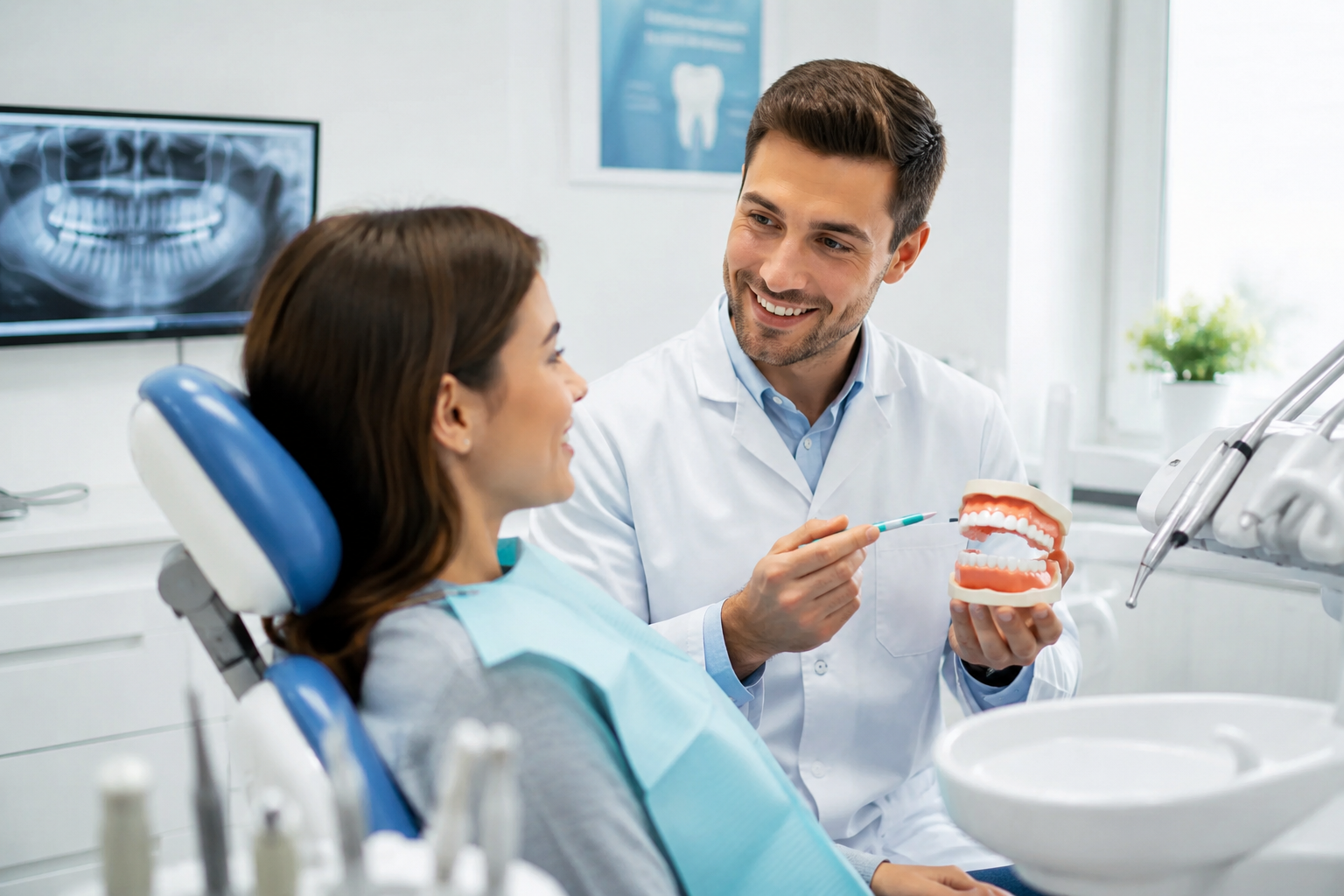
Affordable dental care protects smiles and prevents small issues from becoming costly emergencies. Practical planning, regular prevention, and knowing local cost drivers help patients in Paso Robles find care that fits their budget.
Common Factors Affecting Dental Costs
Several clear factors shape what a patient pays at a Paso Robles dental office. Insurance coverage, whether a patient has an HMO, PPO, or only Medicaid/CHIP, changes out‑of‑pocket costs dramatically. Fee schedules for exams, x‑rays, cleanings, fillings, crowns, and root canals vary by clinic based on overhead, staff experience, and equipment.
Treatment complexity also matters. A simple composite filling costs much less than a crown or implant because lab work and chair time differ. Location influences price: offices closer to downtown Paso Robles or those with more specialists typically charge more. Patient factors — medical history, age, and oral hygiene — determine how many visits and what procedures are needed, which adds up.
The Long-Term Value of Preventive Care
Routine exams and cleanings reduce the chance of expensive procedures later. A six‑month cleaning and two bitewing x‑rays cost a fraction of a root canal plus crown that might follow untreated decay. Early detection of gum disease saves both teeth and money by avoiding advanced periodontal therapy or extractions.
Preventive habits at home—daily brushing with fluoride toothpaste, flossing, and limiting sugary drinks—keep costs down. Fluoride varnish and dental sealants for children also provide high value for low cost. Many Paso Robles clinics offer preventive discount plans or bundled hygiene visits to make regular care easier to afford.
Ways to Anticipate and Plan for Dental Expenses
Patients can reduce surprises by asking for an itemized estimate before treatment. Requesting alternative treatment options, such as a bonded filling instead of an indirect onlay, helps compare cost and longevity. Confirm which procedures insurance covers and what the annual maximum is; this avoids unexpected balance billing.
Explore payment options: many offices provide interest‑free payment plans, in‑house financing, or third‑party services like CareCredit. Community resources matter too — local dental schools, county clinics, and periodic free screening events in Paso Robles offer lower‑cost care. Finally, build a small dental savings fund or enroll in a dental membership plan to spread costs across the year and keep preventive visits consistent.
Locating Cost-Effective Dentists in Paso Robles
Paso Robles patients can find affordable dental care by exploring community clinics, comparing local practice fees and services, and using online and local resources to verify qualifications and payment options. Practical steps include checking sliding-scale clinics, requesting written estimates, and calling multiple offices to compare costs for the same procedure.
Community Dental Clinics and Sliding Scale Options
Community clinics in San Luis Obispo County and nearby offer reduced-fee dental care based on income. The SLO County Public Health Dental Program and non-profit clinics often provide exams, cleanings, extractions, and limited restorative work at lower cost or on a sliding scale tied to household size and income.
Patients should bring proof of income and ID to confirm eligibility, and ask which services are covered versus those billed separately. Wait times can be longer; booking early and asking about cancellation lists helps. Some clinics also partner with dental schools or volunteer programs that offer lower-cost treatment performed by supervised students or volunteer dentists.
How to Compare Local Practices for Affordability
Start by listing Paso Robles practices and requesting itemized estimates for the same procedure from at least three offices. Ask for specifics: cost of exam, X-rays, crown materials, anesthesia, and follow-up visits. Request a written treatment plan so comparisons reflect identical services.
Compare payment options: does the practice accept Medi-Cal, Denti-Cal, private insurance, CareCredit, or in-house payment plans? Check provider credentials and patient reviews on Google and Healthgrades to balance cost with quality. For costly treatments, request phased treatment to spread costs and ask about warranty or post-op fees.
Tips for Navigating Online and Local Resources
Use official sources first: California Department of Health Care Services and SLO County clinic listings for accurate program details. Then search local clinic websites for service menus and patient forms to speed eligibility checks. Verify office hours and emergency coverage to avoid surprise visits to urgent-care centers.
Call offices to confirm online information and negotiate prices when possible; many practices will offer discounts for cash payment or bundled services. Keep a simple comparison sheet with clinic name, estimate, accepted insurance, and next available appointment to make a clear decision.
Popular Treatments That Fit Your Budget
Patients in Paso Robles find practical, low-cost options that address everyday dental needs while prioritizing comfort and long-term savings. These treatments focus on prevention, quick restorations, and cosmetic updates that won’t break the bank.
Routine Cleanings and Exams
Routine cleanings and exams form the backbone of affordable dental care. A typical cleaning (prophylaxis) includes tartar removal, polishing, and a brief check of teeth and gums. Most offices offer these services at reduced rates for uninsured patients, seasonal specials, or bundled with an exam.
X-rays are often taken every 1–2 years depending on risk, and many clinics include a basic set with the exam price. Dental hygienists provide personalized home-care tips during the visit, which helps prevent costly problems later. Patients who schedule twice-yearly cleanings commonly avoid advanced procedures and save money over time.
Payment options frequently include sliding-scale fees, in-house membership plans, and low-cost community clinic slots. These plans often cover two cleanings and exams per year for a flat annual fee, making preventive care predictable and accessible.
Cavity Fillings and Tooth Restorations
Small cavities and broken fillings receive fast, affordable care that stops pain and prevents bigger problems. Dentists in Paso Robles commonly use composite (tooth-colored) fillings which match natural teeth and require only one visit. Composite materials bond to enamel and preserve more tooth structure than older metal fillings.
For larger decay or fractures, practitioners may recommend onlays or crowns. Community clinics and some private practices offer lower-cost crown alternatives or discounts when combined with other treatments. Temporaries and phased treatment plans help spread costs for patients who need multiple restorations.
Insurance typically covers a portion of restorative work; clinics help patients estimate out-of-pocket costs before starting. Many offices provide interest-free financing or payment plans so patients can address immediate needs without delay.
Affordable Cosmetic Options
Cosmetic care need not be expensive to make a visible difference. Common low-cost options include professional whitening, tooth-colored bonding, and minor contouring. In-office whitening delivers noticeable shade improvement in a single visit, while take-home kits from the dentist offer a budget-friendly, gradual approach.
Bonding repairs small chips and gaps using composite resin applied directly to the tooth. The procedure is usually completed in one appointment and costs substantially less than veneers. Contouring reshapes small irregularities with no anesthesia and minimal cost.
For smile makeovers that stretch a budget, dentists often combine these conservative treatments into phased plans. They explain expected results, longevity, and maintenance, enabling patients to choose high-impact, affordable steps first.
Insurance, Savings Plans, and Other Payment Solutions
Patients can use a mix of insurance benefits, in-office membership plans, and flexible payment options to reduce out-of-pocket costs. Clear estimates, pre-authorizations, and tailored payment schedules help make care predictable and manageable.
Understanding Dental Insurance Coverage
Dental insurance typically splits costs into preventive, basic, and major categories with varying coverage percentages. Preventive visits like cleanings and exams are often covered at 80–100%, basic services such as fillings usually 50–80%, and major work like crowns or implants commonly 0–50% after any waiting periods.
Patients should verify plan details: annual maximums, deductibles, frequency limits for X-rays or cleanings, and whether the plan uses a preferred provider network. Requesting a pre-treatment estimate (predetermination) for expensive procedures clarifies patient responsibility before work begins.
In Paso Robles, many practices accept Delta Dental, Anthem Blue Cross, MetLife, and DHMO/PPO plans. If a provider is out-of-network, patients can still file claims for reimbursement; comparing in-network negotiated rates vs. out-of-network billed charges can reveal savings.
Membership and Discount Programs
In-office membership plans offer a simple alternative for uninsured or underinsured patients. For a fixed annual or monthly fee, members receive discounted preventive care, X-rays, and reduced fees on fillings, crowns, and extractions without waiting periods that typical insurance imposes.
Typical features to compare: monthly cost, included services (two cleanings per year, one set of X-rays), percentage discounts on restorative work, and whether specialty referrals (endodontics, periodontics) receive the same discounts. Ask for a sample invoice to see how discounts apply to common procedures.
Community clinics and nonprofit programs in San Luis Obispo County sometimes provide scaled-fee schedules based on income. Patients should bring recent pay stubs or tax documents to determine eligibility and ask staff about sliding-scale appointments and low-cost dental days.
Flexible Payment Arrangements
Many dental offices offer interest-free payment plans for 6–12 months or low-interest financing through third-party lenders like CareCredit and LendingClub Patient Solutions. These options break large balances into predictable monthly payments.
Before committing, patients should compare interest rates, deferred-interest terms, and penalties for late payments. A written treatment contract listing total cost, deposit, payment schedule, and refund policy protects both parties.
For major treatments, asking the office for phased treatment—prioritizing urgent care and scheduling elective procedures later—can spread costs. Dental practices in Paso Robles often accept credit/debit cards, checks, and electronic bank transfers; verifying accepted methods upfront prevents surprises at checkout.
Preventing Costly Dental Problems
Small, consistent actions and timely responses prevent most expensive treatments. Practical daily care, early recognition of trouble, and regular professional exams keep teeth healthier and reduce out-of-pocket costs.
Daily Habits That Save Money
Brushing twice daily with a fluoride toothpaste for two minutes removes plaque that leads to cavities and gum disease. Using a soft-bristled brush and replacing it every three months keeps bristles effective and reduces enamel abrasion.
Flossing once a day reaches between teeth where a brush cannot. Interdental brushes or water flossers help people with bridges, braces, or larger gaps clean more thoroughly.
Limit sugary snacks and sips of soda or sports drinks; acid attacks from sugar and frequent grazing increase decay risk. Rinse with water after acidic or sweet foods to neutralize pH.
Use a fluoride mouthrinse if at higher risk for cavities, and consider dental sealants on molars for children and adults with deep grooves. These low-cost preventive steps reduce the chance of fillings, root canals, and crowns.
Recognizing Early Warning Signs
Persistent tooth sensitivity to hot or cold can indicate enamel wear or early decay. If sensitivity lasts beyond a few days or occurs with visible dark spots, schedule an exam.
Red, swollen, or bleeding gums during brushing or flossing signals gingivitis, which is reversible with improved home care and professional cleanings. Ignoring it can lead to periodontitis and costly gum treatment.
Loose teeth, a persistent bad taste, or recurring bad breath can point to advanced gum disease or infection. Pain that wakes from sleep, swelling of the face, or fever requires prompt attention to avoid emergency care.
Track changes: note new chips, cracks, or shifts in bite after trauma. Early bonding or simple restorative work usually costs less than delayed treatment for fractures or infections.
The Role of Regular Professional Checkups
Biannual dental exams and cleanings catch decay, gum disease, and oral cancer before they progress. A hygienist removes hardened tartar that brushing cannot, and a dentist assesses X-rays for hidden decay between teeth.
Professional fluoride treatments and periodic sealant checks strengthen vulnerable surfaces, especially for patients with a history of cavities. Dentists also tailor recall frequency—every three to twelve months—based on individual risk factors.
Routine visits let the team recommend affordable alternatives, such as silver diamine fluoride to arrest decay or composite instead of lab-made crowns when appropriate. Early, conservative treatments often cost a fraction of advanced restorative care.
Patients who bring a list of medications and changes in health at each visit help the dentist adjust prevention plans. This coordination reduces complications and unexpected bills.
Patient Comfort and Compassionate Care in Paso Robles
Local practices emphasize comfort, clear communication, and choices that reduce anxiety and pain. Patients find benefit from calm office environments, personalized care plans, and options like sedation or noise-canceling headphones.
Modern Techniques for a Relaxed Visit
Dentists in Paso Robles use digital X-rays and intraoral cameras to speed exams and reduce exposure. These tools let clinicians show patients real images and explain findings in plain language.
Many offices offer same-day CEREC crowns or restorations, cutting repeat visits and minimizing time in the chair. Laser therapies for gum treatment and cavity removal reduce bleeding and often remove the need for sutures.
Sedation options range from nitrous oxide for mild anxiety to oral conscious sedation for more nervous patients. Providers follow strict protocols: medical history review, dosing tailored to weight and medications, and post‑procedure monitoring until patients meet discharge criteria.
Comfort items commonly available include warmed blankets, neck pillows, noise-canceling headphones, and TV or music choices. Staff trained in gentle communication and stepwise procedures help patients know what to expect at every stage.
How Local Providers Support Nervous Patients
Clinics in Paso Robles build rapport before treatment through extended consultations and plain-language explanations. They document preferences — for example, hand‑signal breaks or preferring minimal conversation — and follow them during procedures.
Behavioral techniques such as guided breathing, progressive muscle relaxation, and short chair breaks are integrated into appointments. Dental teams sometimes coordinate with primary care physicians to adjust medications before sedation when necessary.
Financial counseling and transparent pricing reduce stress about costs. Many practices offer payment plans, sliding-scale options, or direct negotiation with local community clinics to keep care affordable without compromising comfort.
Response protocols for adverse reactions are in place, including trained staff, emergency kits, and transfer agreements with nearby hospitals. Patients with severe dental phobia are often referred to specialists who combine behavioral therapy with dental treatment when required.
Making the First Appointment: What to Expect Next
When they call or book online, the front desk will ask for basic details: name, contact, insurance, and any urgent concerns. This helps the office prepare and estimate costs before the visit.
A short pre-visit form often covers medical history and current medications. Filling it out in advance speeds check-in and ensures safe, personalized care.
On arrival, staff will confirm information and explain payment options, including sliding scale or financing if available. They will also review any insurance benefits and estimate patient responsibility.
The initial exam usually includes a visual check, X-rays if needed, and a discussion of findings. The dentist will describe options using plain language and outline costs and timing for treatment.
Patients can expect a comfortable, calm environment with pain control and clear explanations. Staff will answer questions about follow-up appointments, preventive steps at home, and any referrals.
Common next steps are scheduling a cleaning, booking restorative work, or arranging a treatment plan with phased payments. A brief checklist summarizes what to bring:
- Photo ID and insurance card
- List of medications and prior dental records
- Payment method or pre-authorization for financing
They are encouraged to call with questions or request translations or accessibility accommodations when booking. A friendly office will gladly help plan the visit and make care affordable and stress-free.
Frequently Asked Questions
This section answers practical questions about lowering treatment costs, finding fast care on a budget, comparing local dentists, and special options for adults with limited funds and patients with diabetes. Each answer lists specific steps, local resources, and what to expect during visits.
What are some ways to lower the cost of a filling, crown, or root canal without sacrificing quality care?
Ask about alternative materials and staged treatment plans. For a crown, consider a high-quality porcelain-fused-to-metal option instead of full ceramic if cost is a concern; for fillings, composite resin often matches teeth and costs less than lab-fabricated options.
Request fee estimates in writing and compare at least two offices. Many dentists offer a detailed treatment plan with line-item pricing so patients can decide which procedures to prioritize.
Look for dental schools and community clinics that provide supervised care at reduced fees. These facilities use licensed instructors and provide high-quality work while charging 30–60% less than private practices.
Discuss conservative treatment first. For some teeth, a bonded filling or onlay can delay or avoid a crown; same for root canals—endodontic specialists sometimes offer retreatment or alternative restorative plans that reduce long-term cost.
Do local dental offices offer payment plans or in-house memberships for patients without insurance?
Yes. Many Paso Robles practices provide interest-free monthly payment plans through offices or third-party services like CareCredit and Sunbit. Terms commonly range from 3 to 12 months for routine care and longer for major work.
Ask about in-house membership plans that cover preventive care and give discounts on restorative treatments. These typically charge an annual fee and include two cleanings, exams, and X-rays, plus 10–20% off other services.
Confirm eligibility and get plan details in writing. Verify what counts as “major” work, whether specialists are included, and any waiting periods or exclusions for pre-existing conditions.
Where can I find a dentist who can see me quickly for a toothache or broken tooth, even on a budget?
Call local general practices early in the morning and ask for the day’s emergency slot. Many offices reserve same-day openings for acute pain or trauma and can provide temporary relief at lower cost than immediate specialist care.
Check community clinics and county health departments for low-cost urgent dental services. Paso Robles area urgent-care dental listings often show weekend and evening options with sliding-scale fees.
Use online booking tools and confirmation calls to confirm that the emergency visit includes both diagnosis and a cost estimate. Patients should request a written treatment plan and a timeline for follow-up to avoid surprise charges.
How can I compare dentist reviews and know which ones really reflect patient comfort and quality?
Evaluate multiple review platforms: Google, Yelp, Healthgrades, and the practice’s own Facebook page. Look for consistent themes in reviews—communication, pain control, time spent, and post-treatment follow-up—rather than single-star or single-praise outliers.
Pay attention to recent reviews (last 12–24 months) and how the office responds to complaints. Thoughtful, timely responses from the practice indicate attention to patient experience and complaint resolution.
Ask the office for references or before-and-after photos of similar procedures. A courteous staff will provide examples or patient testimonials that specifically mention comfort measures like numbing techniques or sedation options.
Are there programs or clinics nearby that can help adults who can’t afford dental care right now?
Yes. County health services and nonprofit clinics in San Luis Obispo County sometimes offer sliding-scale fees based on income. Contact the San Luis Obispo County Public Health Department for current clinic locations and eligibility guidelines.
Local dental schools or university outreach programs periodically run low-cost care days and mobile clinics. These events often advertise through community centers, libraries, and social services offices.
Search statewide programs like Denti-Cal for Medi-Cal-eligible adults. Confirm enrollment details and which local providers accept those benefits before scheduling.
If I have diabetes, what dental treatments and preventive visits should I prioritize to protect my gums and teeth?
Prioritize regular periodontal assessments and cleanings every 3–4 months if gum disease is present. People with diabetes face higher risk of periodontitis, and more frequent cleanings reduce inflammation and help control blood sugar.
Keep routine exams and bitewing X-rays every 12–24 months to detect decay early. Early fillings and conservative restorations prevent larger treatments that carry higher infection risk.
Coordinate medical and dental care. Patients should share HbA1c results with their dentist so the team can adjust treatment timing, antibiotic choices, and periodontal therapies for optimal healing.
If questions remain or scheduling is needed, contact a trusted local dentist to review options and arrange an evaluation.