
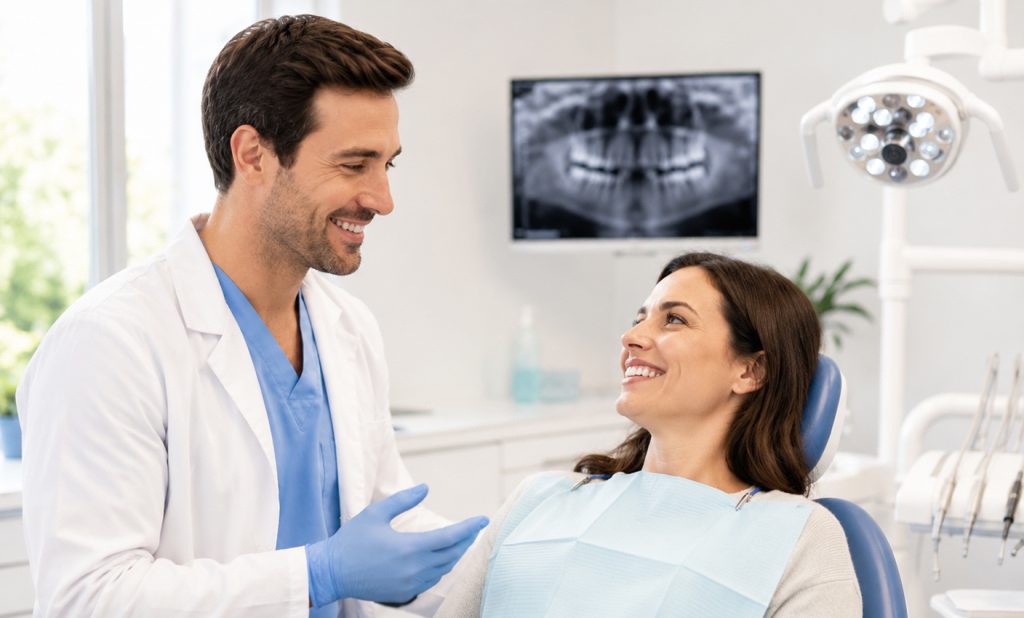
You can get same-day relief for common dental emergencies in Paso Robles, CA, from clinics that handle severe pain, knocked-out teeth, lost fillings, and infections. If you act quickly and choose a local emergency dentist, you can often preserve teeth, stop infection, and ease intense pain the same day.
They will explain what counts as a true emergency, walk you through immediate at-home steps, and offer treatments from temporary repairs to urgent extractions and root canals. Expect clear guidance on costs, aftercare, and follow-up to restore comfort and prevent repeat problems.
What Qualifies as a Dental Emergency?
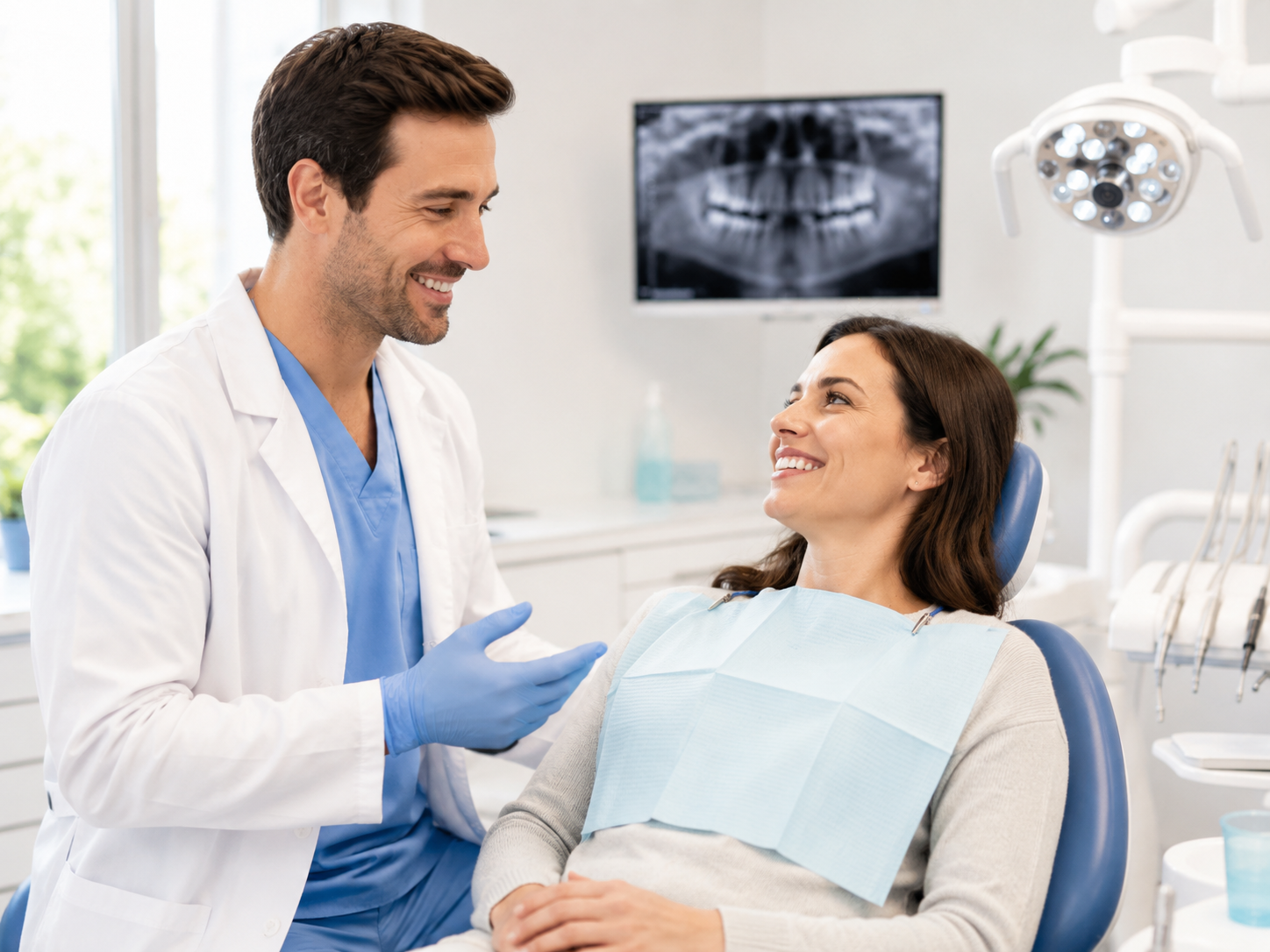
This section explains clear signs that need urgent attention, how quickly to act, and the most common dental crises patients face. It focuses on pain severity, visible damage, bleeding, swelling, and systemic symptoms that require prompt professional care.
Identifying Urgent Symptoms
Severe, persistent pain that prevents sleeping, eating, or concentrating usually indicates an urgent problem such as an abscess or exposed nerve. Pain that spikes with touch or pressure, or is accompanied by fever, suggests infection that can spread if untreated.
Uncontrolled bleeding after trauma or a tooth extraction needs immediate attention. Likewise, visible bone or tooth fragments, a tooth knocked completely out, or a tooth pushed out of position are urgent because timely treatment can save the tooth.
Significant swelling of the face, jaw, or neck that affects breathing or swallowing requires emergency care. Numbness or tingling that follows trauma, or sudden and severe jaw locking, also merits prompt evaluation by a dental professional.
When to Seek Immediate Help
Call the dental office or an emergency clinic right away for bleeding that won’t stop after 20–30 minutes of firm pressure. If a permanent tooth is avulsed (knocked out), locate it, hold by the crown, rinse briefly if dirty, and attempt to reinsert or store it in milk or saliva while seeking care within an hour.
If a tooth is fractured with sharp edges causing lip or cheek lacerations, seek immediate treatment to smooth the edge and prevent infection. Any swelling with fever or general malaise should be treated quickly to avoid airway compromise or systemic spread.
If symptoms begin suddenly after a procedure — for example, severe pain after a root canal or swelling after a wisdom tooth extraction — contact the provider immediately. They can advise whether to come in, go to an emergency room, or manage short-term at home.
Common Types of Dental Crises
Tooth avulsion: A complete displacement of a permanent tooth. Time matters—reimplantation within 60 minutes offers the best chance of saving the tooth.
Dental abscess: Localized pus from bacterial infection causing throbbing pain, swelling, and sometimes fever. Treatment typically requires drainage and antibiotics, and often root canal therapy or extraction.
Fractured teeth: Ranges from small chips to severe breaks exposing pulp. Sharp fragments can lacerate soft tissue; deeper breaks risk infection and nerve damage.
Uncontrolled bleeding: May occur after trauma or extraction and demands pressure, assessment, and possibly sutures or clotting support.
Traumatic soft-tissue injuries: Lacerations to lips, tongue, or cheeks may need stitches and tetanus check.
Sudden severe swelling or airway compromise: Presents with difficulty breathing or swallowing and requires immediate emergency department or urgent dental intervention.
If uncertain, patients are encouraged to contact a local Paso Robles dental office or an emergency clinic for guidance and rapid evaluation.
Available Emergency Treatments in Paso Robles
Emergency dental offices in Paso Robles handle severe pain, broken or knocked-out teeth, and soft-tissue injuries using same-day exams, imaging, and targeted treatments to stop bleeding, control infection, and restore function.
Tooth Pain Relief Options
Dentists evaluate tooth pain with a focused exam and digital X-rays to pinpoint causes like abscesses, fractures, or pulpitis.
For severe pain, providers commonly offer prescription-strength NSAIDs, short courses of antibiotics when an infection is present, and local anesthesia or nerve blocks for immediate relief.
When decay or pulp damage is confirmed, emergency root canal therapy often relieves pain and preserves the tooth.
If swelling or systemic signs appear, urgent drainage combined with antibiotics prevents spread and protects overall health.
Temporary protective restorations and same-day crowns or onlays can restore chewing and reduce sensitivity while a definitive plan proceeds.
Clinics explain at-home care—cold compresses, soft foods, and safe over-the-counter dosing—so patients know how to manage symptoms between visit and definitive treatment.
Repairing Broken or Missing Teeth
Treatment depends on the damage: minor chips typically receive bonding, while larger fractures require crowns or root canal plus crown.
If a tooth is partially dislodged (subluxation), repositioning and splinting stabilize it; follow-up X-rays and bite checks protect periodontal health.
For completely avulsed (knocked-out) teeth, immediate action matters: keep the tooth moist in milk or saliva and see a dentist within an hour for the best chance of re-implantation.
When re-implantation isn’t possible, options include dental implants, fixed bridges, or removable partial dentures—care plans consider bone health, adjacent teeth, and long-term function.
Emergency clinics often provide temporary prosthetics or resin-bonded bridges the same day to restore appearance and speech.
They discuss timing for definitive implant placement, bone grafting if needed, and ongoing maintenance to ensure lasting results.
Care for Injuries to Mouth or Gums
Soft-tissue lacerations to lips, tongue, or cheeks get immediate cleaning, hemostasis, and, when needed, suturing with dissolvable stitches to promote rapid healing.
Providers assess for deeper injuries, foreign bodies, and nerve involvement, and they update tetanus status when indicated.
Gum trauma with tooth mobility prompts periodontal assessment, radiographs, and splinting if the supporting structures are compromised.
If a hematoma or severe bleeding occurs, local pressure, cautery, or surgical repair controls bleeding and prevents infection.
Clinics prescribe appropriate pain control and antibiotics for contaminated wounds and supply clear aftercare instructions: warm saline rinses, soft diet, and follow-up within a few days.
They also explain signs of infection or nerve issues that require prompt return to care.
How to Respond Before You Reach the Dentist
Act quickly but calmly. Focus on pain control, preventing infection, and preserving teeth for repair.
First Steps for Toothaches
They should rinse the mouth with warm salt water (½ teaspoon salt in 8 ounces of water) to reduce bacteria and loosen debris. Over-the-counter pain relievers such as ibuprofen or acetaminophen can be taken following package dosing; avoid placing aspirin directly on the gum or tooth.
If swelling is absent, they can use a cold pack on the cheek for 10–15 minutes at a time to reduce pain. They should avoid chewing on the painful side and eat soft, cool foods until evaluated. If a visible cavity or broken filling causes sharp pain, covering the area with dental wax or sugar-free chewing gum can prevent soft-tissue irritation.
They must call a Paso Robles emergency dental clinic promptly if pain is severe, lasts more than 24 hours, or accompanies fever, difficulty breathing, or spreading swelling.
Managing Swelling and Bleeding
They should apply a cold compress externally for the first 24 hours: 10–15 minutes on, 10–15 minutes off. Cold reduces blood flow and limits swelling and bruising. After 24 hours, switching to warm compresses can help if swelling remains persistent.
For bleeding, they should use sterile gauze or a clean cloth and apply firm pressure directly to the site for 10–20 minutes. If bleeding soaks through, replace the gauze and maintain pressure. A damp black tea bag can help because tannins aid clotting.
They should sit upright; elevating the head reduces blood flow to the mouth. Avoid rinsing vigorously, spitting, or using straws for 24 hours, as these actions can dislodge clots and prolong bleeding. If bleeding persists beyond an hour or swelling compromises breathing or swallowing, they must seek immediate emergency care.
Handling Knocked-Out Teeth
Time matters: they should find the tooth, hold it by the crown (not the root), and rinse gently with saline or milk if dirty. They must avoid scrubbing or removing tissue fragments attached to the root.
If possible, they should reinsert the tooth into the socket and hold it in place by biting on gauze or clean cloth. If reinsertion isn’t possible, they should keep the tooth moist by placing it in cold milk, saline, or the patient’s saliva (inside the cheek) and seek emergency dental care immediately. Ideally, treatment occurs within 30–60 minutes for the best chance of saving the tooth.
They should bring the knocked-out tooth and any fragments to the dentist, remain calm, and get to a Paso Robles emergency dental provider without delay.
What to Expect During Your Emergency Visit
Patients will receive a focused exam, prompt pain relief, and timely use of imaging to pinpoint problems and plan treatment. Staff will prioritize comfort, clear communication, and options for same-day repairs or referrals.
Initial Assessment Process
The team begins by collecting medical history and details about the incident: time of injury, symptoms, medications, and allergies. This ensures safe choices for pain control and any necessary antibiotics or anesthesia.
A clinician performs a focused oral exam: checks for broken teeth, loose teeth, soft-tissue lacerations, swelling, and signs of infection. They test tooth mobility and bite alignment to identify fractures or jaw injury.
Triage determines urgency. Teeth with uncontrolled bleeding, suspected jaw fractures, or exposed nerve tissue receive immediate attention. Other issues—such as minor chips or lingering pain—may be scheduled for same-day repair or follow-up. Staff explains findings in plain language and outlines next steps, including costs and expected timing.
Comfort and Pain Management
The practice offers local anesthesia, and when appropriate, short-acting oral pain medications to control acute pain before definitive treatment. For patients anxious about needles or procedures, nitrous oxide or calm, verbal reassurance is often available.
If infection or severe swelling is present, the clinician prescribes antibiotics and anti-inflammatories with clear dosing instructions. For persistent or severe pain, they discuss options like prescription-strength analgesics and provide safety guidance about interactions with other medicines.
Staff monitor vitals as needed and adjust comfort measures. They keep patients informed about what to expect during procedures, reducing fear and making consent straightforward. Clear post-visit care instructions help manage discomfort at home and specify when to call back.
Modern Diagnostic Tools
Digital X-rays provide high-resolution images immediately, helping detect root fractures, periapical abscesses, and bone involvement with minimal radiation. Panoramic imaging and cone-beam CT (CBCT) are available for complex trauma or suspected jaw fractures.
Intraoral cameras give a close-up view of chips, cracks, and soft-tissue injuries, which staff can show patients to explain the problem and treatment options. Pulp vitality tests (cold or electric) help determine whether a tooth needs root canal therapy.
These tools speed diagnosis and enable same-day decisions—repair, extraction, splinting, or referral to an oral surgeon. The team reviews images with the patient, compares treatment choices, and documents findings for insurance and follow-up.
Choosing the Right Emergency Dental Provider in Paso Robles
Finding a reliable emergency dentist means looking for prompt access, clinical competence, and clear communication. The right provider combines on-call availability, up-to-date equipment, and a calm, patient-centered approach.
Qualities of a Skilled Dental Team
A skilled emergency dental team in Paso Robles includes licensed general dentists and, when needed, dentists with advanced training in oral surgery or endodontics. They should list credentials (DDS/DMD), continuing education courses, and membership in professional organizations on their website or intake forms.
Look for staff trained in emergency medicine — ACLS/BLS certification for clinicians and dental assistants helps manage medical complications. The office should document infection control protocols and sterilization practices clearly.
Assess communication skills: clinicians who explain diagnosis options, costs, and timelines in plain language reduce anxiety. Reception staff should triage calls efficiently and give realistic wait-time estimates. Patient comfort measures like sedation options, noise-reducing operatories, and clear pain-management plans are important too.
Benefits of Local Expertise
A local Paso Robles provider understands nearby hospital resources, urgent-care partnerships, and referral networks. That knowledge speeds transfers for cases requiring hospital-based imaging or IV sedation.
Local dentists often know regional causes of dental trauma — for example, common sports injuries from community teams — and stock supplies accordingly, such as temporary crown materials or splinting kits. They can coordinate care with known specialists in San Luis Obispo County when advanced procedures are necessary.
Community reputation matters. Reviews from Paso Robles residents and referrals from local physicians offer practical insight into reliability and bedside manner. Proximity also reduces travel time during after-hours emergencies, which can improve outcomes for severe pain, uncontrolled bleeding, or avulsion (knocked-out tooth) cases.
Tips for Peace of Mind
Verify emergency hours and on-call procedures before an emergency happens. Note whether the office offers true 24/7 coverage, extended evenings, or weekend slots, and save the direct phone number and physical address in your phone.
Confirm insurance acceptance and typical out-of-pocket expectations for common emergencies like root canal therapy, extractions, or splinting. Ask whether they provide written estimates and payment plans for unexpected care.
Prepare a small dental emergency kit: sterile gauze, a container for a knocked-out tooth (milk or saline), ibuprofen (if appropriate), and contact info for the dentist. Keep medical history and medication lists accessible to speed triage. Contact the office for a short consultation if unsure — prompt, clear communication often prevents unnecessary ER visits and preserves dental health.
Prevention and Long-Term Oral Health
Maintaining oral health lowers the chance of emergency visits and keeps daily life comfortable. Small, consistent habits, routine dental care, and a family emergency plan together reduce pain, cost, and unexpected treatments.
Everyday Habits to Reduce Risks
They should brush twice daily with a fluoride toothpaste and a soft-bristled brush for two minutes. Brushing removes plaque that causes cavities and gum disease, the most common reasons for urgent dental care.
Flossing once a day reaches between teeth where brushes miss. Using an alcohol-free antimicrobial mouthwash after flossing can reduce bacteria for people prone to gingivitis.
Limit sugary drinks and sticky snacks; choose water, cheese, nuts, or crunchy vegetables instead. Wear a properly fitted mouthguard for sports and avoid using teeth as tools to open packages or bottles.
See a dentist promptly for persistent sensitivity, a loose filling, or a cracked tooth to prevent escalation into an emergency. Keep a small dental kit at home: temporary filling material, dental wax, ibuprofen (if tolerated), and contact info for the local emergency dentist.
The Importance of Regular Checkups
They should schedule professional cleanings every six months, or more often if periodontal disease or heavy staining exists. Professional cleanings remove calculus that home care cannot and detect early cavities before they become emergencies.
X-rays every 12–24 months reveal hidden problems such as root infections, impacted teeth, or bone loss. Detecting these early allows for simpler treatments like fillings or root canals rather than extractions or surgery.
Discussing medications and medical history at each visit helps the dentist anticipate issues like dry mouth or bleeding risks. A tailored preventive plan—fluoride varnish, sealants, or prescription toothpaste—reduces future urgent visits.
How to Build a Family Emergency Plan
Identify one local emergency dental clinic in Paso Robles and one in a nearby city in case the first is unavailable. Store phone numbers and addresses on the fridge, in each caregiver’s phone, and on a printed card in every vehicle.
Assemble a dental emergency kit: contact info, recent dental X-rays (digital copies if possible), spare aligner/tray, orthodontic wax, gauze, temporary filling material, and pain relievers. Replace supplies every six months and check expiration dates.
Create role assignments: one person calls the dentist, another secures transport, and a third gathers insurance cards and medical records. Practice a quick run-through so everyone knows what to do during a fractured tooth, avulsed (knocked-out) tooth, or severe pain.
Encourage children to learn basic steps: rinse, find the tooth, keep it moist (milk or saliva), and bring it to the dentist within 60 minutes if knocked out. This preparation improves outcomes and reduces anxiety when urgent care becomes necessary.
Next Steps and Support for Your Dental Concerns
If a patient experiences severe pain, swelling, or uncontrolled bleeding, they should seek immediate care at an emergency dental clinic or an urgent care center. Quick action can prevent infection and preserve teeth, so contacting a local emergency dentist in Paso Robles, CA, is advisable.
They should first call the dental office to describe symptoms and get triage instructions. The office can often offer same‑day appointments, pain‑management advice, or referrals for after‑hours care.
For less urgent but still worrying issues—like a loose filling or persistent sensitivity—patients should schedule an appointment within a few days. Early evaluation often means simpler treatment and better outcomes.
Patients can use this checklist to prepare for their visit:
- List of symptoms and when they started
- Current medications and allergies
- Photos of visible damage, if possible
- Insurance info and contact numbers
If anxiety or fear is a barrier, the dental team can discuss comfort options such as local anesthesia, nitrous oxide, or a calm, step‑by‑step treatment plan. They aim to create a respectful, low‑stress experience.
For ongoing care, patients should follow post‑treatment instructions and keep routine preventive visits. Questions are welcome—calling or sending a message lets the office provide personalized guidance and schedule follow‑up as needed.
Frequently Asked Questions
This section answers common concerns about urgent dental care in Paso Robles, including what qualifies as an emergency, expected wait times, at-home first aid for dental trauma, insurance and payment choices, treatment for abscesses, and what to prepare when calling from nearby cities.
What counts as a true dental emergency versus something that can wait until regular office hours?
True emergencies include uncontrolled bleeding, severe facial swelling that affects breathing or swallowing, intense tooth pain that prevents sleeping or eating, a knocked-out tooth, and signs of spreading infection such as fever with facial swelling. Cracked fillings, mild tooth sensitivity, or loose crowns that are not painful can usually wait for the next business day.
If pain is severe, swelling worsens, or symptoms include fever or difficulty breathing, seek immediate care. Any knocked-out permanent tooth requires same-day attention to maximize chances of saving it.
How quickly can I be seen if I have severe tooth pain, swelling, or a possible infection?
Most Paso Robles emergency dental clinics offer same-day appointments for severe pain, swelling, or suspected infections. Patients calling during clinic hours are often triaged and scheduled within a few hours; after-hours services may provide on-call dentists or direct referrals to an emergency clinic.
Call ahead to describe symptoms so staff can prioritize urgent cases and advise whether to come directly or visit an emergency room for airway or systemic concerns.
What should I do at home to protect a knocked-out or broken tooth before I get to the dentist?
Handle a knocked-out permanent tooth by the crown only; avoid touching the root. If possible, rinse gently with saline or milk, try to reinsert into the socket, and keep the tooth moist in milk or saliva if reinsertion isn’t possible.
For a broken tooth, save any fragments and rinse the mouth with warm water. Apply a cold pack to reduce swelling and use over-the-counter pain relief as directed until professional care is available.
Do you accept Medi-Cal or CenCal, and what payment options are available if I’m uninsured?
Many Paso Robles emergency dental providers accept Medi-Cal and CenCal, but acceptance varies by clinic and by specific plans. Call the clinic before arrival to confirm participation and to understand covered services.
Uninsured patients can often pay by credit card, cash, or financing plans; some clinics offer sliding-scale fees, payment plans, or care-day discounts. Ask the front desk about estimates, upfront costs, and available financial assistance.
Will I need antibiotics or a same-day procedure for an abscess, and how is pain managed during treatment?
Dentists typically prescribe antibiotics if an abscess shows signs of spreading infection or systemic involvement, such as fever or swelling. Definitive treatment usually involves drainage, root canal therapy, or extraction, and many clinics perform these procedures the same day when feasible.
Pain is managed with local anesthesia, oral pain relievers, and, if indicated, short courses of prescription analgesics. The dentist explains risks, benefits, and aftercare to minimize recurrence and speed recovery.
If I’m coming from a nearby city like Santa Maria or Marina, what information should I have ready when I call?
Provide full name, date of birth, a brief description of symptoms, the time symptoms began, and any allergies or current medications. Include whether the tooth was knocked out, whether bleeding is active, and if there are breathing or swallowing difficulties.
Share insurance details (Medi-Cal/CenCal or private plan) and your estimated arrival time. This helps staff prioritize care and prepare any necessary treatment rooms or on-call support.